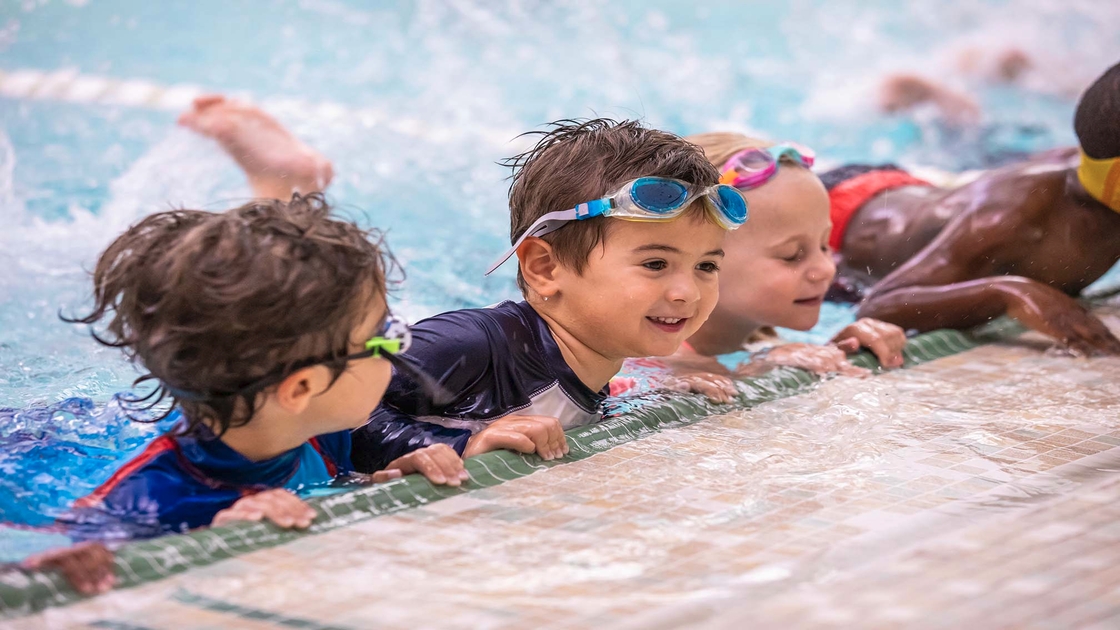
Some toddlers take to water like, well, ducks. Others grip the side of the pool, eyes wide, absolutely certain that getting their face wet is not something they signed up for. If yours falls into the second camp, you’re far from alone — and there’s plenty you can do at home before you even think about the pool.
With the Easter holidays just passed and summer starting to feel like a real possibility, now is a brilliant time to begin building that confidence gently. A few minutes in the bath each evening can make a surprising difference by the time lessons come round.
Start With the Basics — Water on the Head
Before a toddler can be expected to submerge their face, they need to feel comfortable with water touching it at all. Many children who resist face submersion are actually reacting to the sensation of water dripping unexpectedly into their eyes or nose.
During bath time, try pouring warm water very slowly over the back of their head using a small cup — narrating as you go so it’s never a surprise. Once they’re relaxed with that, gradually move the pour forward towards the forehead. Keep it slow, keep it calm, and make a fuss of them for tolerating it.
A simple visor or a folded flannel pressed gently to the forehead can help keep water from running into the eyes at first, giving your child a sense of control. That sense of control is key.
Make It a Game, Not a Task
Toddlers respond to play, not instruction. If bath time starts to feel like a training session, resistance usually follows. The goal is to sneak confidence-building into something that just feels fun.
Try blowing bubbles into the water using a straw — most toddlers find this hilarious, and it introduces the idea of exhaling into water without any pressure to submerge fully. From there, you can encourage them to try blowing bubbles with just their lips touching the surface, almost like blowing a kiss to the bath water.
Another favourite is placing a small waterproof toy on the bottom of the bath and seeing if they can spot it while peering just over the surface. It draws their gaze downward naturally, and children often end up dipping their chin in without even noticing they’ve done it.
Progress at Their Pace — No Rushing
The biggest mistake well-meaning parents make is pushing too quickly once a child shows a small sign of progress. One successful bubble-blow does not mean they’re ready to go fully under the next evening. Regression is normal, and entirely fine.
Aim for tiny, consistent steps over several weeks rather than big breakthroughs on any single night. Keep sessions short — five minutes of happy water play beats twenty minutes of tearful negotiation every time.
If your child does manage to dip their chin, then their mouth, then eventually their nose into the water, celebrate each stage genuinely. By the time you get to a pool — whether that’s a local leisure centre or one of the holiday park pools along the south-west Scotland coast around Dumfries & Galloway — those small victories will have laid real foundations.
When You’re Ready for the Pool
Bath-time confidence doesn’t always transfer instantly to a pool environment, and that’s completely normal. Pools are noisier, cooler, and altogether more overwhelming for a small child.
When you do head to a pool for the first time, keep the session playful and low-expectation. Let your toddler dictate the pace. If they’re happy splashing at the shallow end, that’s a win. Face submersion will come — usually sooner than you expect — once the overall environment feels safe to them.
Structured lessons with a patient, experienced teacher can make an enormous difference at this stage. A good swim teacher knows how to read a child’s hesitation and work with it rather than around it, using many of the same gentle progressions you’ve already been practising at home.
If you’re based in or visiting Dumfries & Galloway this spring or summer, it’s worth thinking ahead about lessons now — spaces fill up quickly once the school holidays approach, and a child who’s been working through these bath-time steps will often settle into group lessons far more easily than one coming to it fresh.