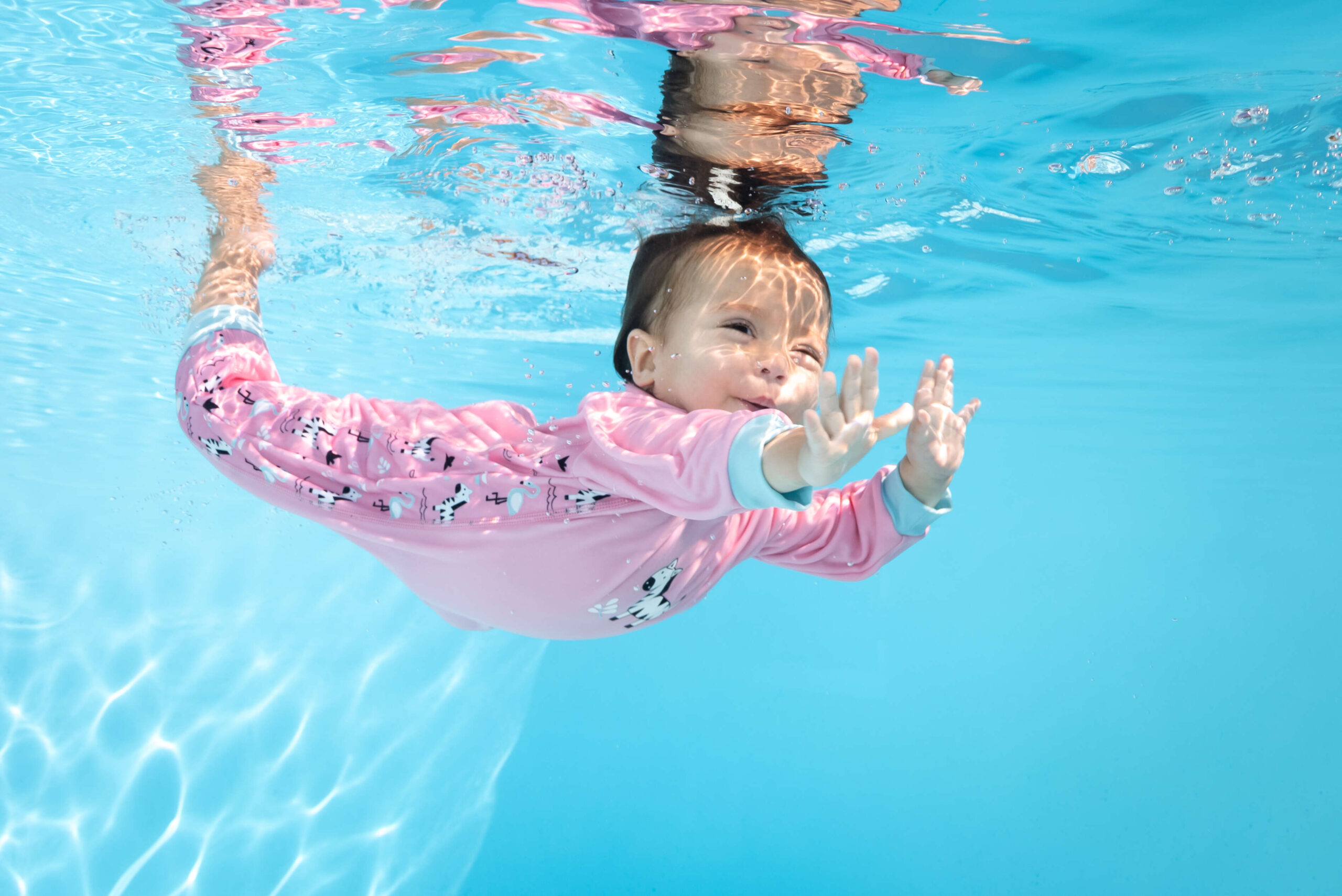
Summer is a wonderful time to get little ones into the water. With school holidays in full swing and families heading to holiday parks across Dumfries & Galloway, toddlers are spending more time near pools, lochs, and beaches than at any other point in the year. That makes water confidence not just a nice skill — it’s a genuinely important one.
If you’re thinking about booking your first lessons, you’re probably wondering how to choose well. Here’s what actually matters when it comes to toddler swimming lessons in Dumfries & Galloway.
What qualifications should a swimming instructor have?
The qualification most worth looking for is the SSTQ — the Swimming and Surf Teaching Qualification (or, more commonly in pool-based teaching, the STA or Swim England Teaching Qualification at Level 2 or above). In Scotland, learn-to-swim standards are overseen by Scottish Swimming, and any reputable instructor should hold a recognised teaching qualification alongside a valid first aid certificate.
The SSTQ — often referred to in the context of the Swimming Teachers’ Association — demonstrates that an instructor has been trained to plan and deliver lessons safely, adapt to individual learners, and manage poolside emergencies. For toddlers specifically, it’s also worth checking that the instructor has experience with this age group, as teaching a two-year-old is very different from teaching a seven-year-old.
Rebecca, who teaches at Auchenlarie Holiday Park near Gatehouse of Fleet and Castle Cary Holiday Park in Creetown, holds recognised teaching qualifications and works with children of all abilities year-round — including very young beginners taking their first tentative steps in the water.
Why instructor-to-child ratios matter for toddlers
Ratios are one of the most practical things to ask about before you book. For toddler lessons (typically ages 2–4), the recommended ratio is no more than 1 instructor to 4 children — and smaller is better. Some classes for very young beginners work on a 1:3 basis, particularly when parents or carers are not in the water alongside them.
A smaller class means your child gets more individual attention, and the instructor can respond quickly if a toddler becomes anxious or overwhelmed. It also allows for proper supervision at poolside and in the water — which matters enormously at this age.
If a provider is running groups of eight or ten toddlers with one teacher, that’s a red flag. Don’t be afraid to ask directly: