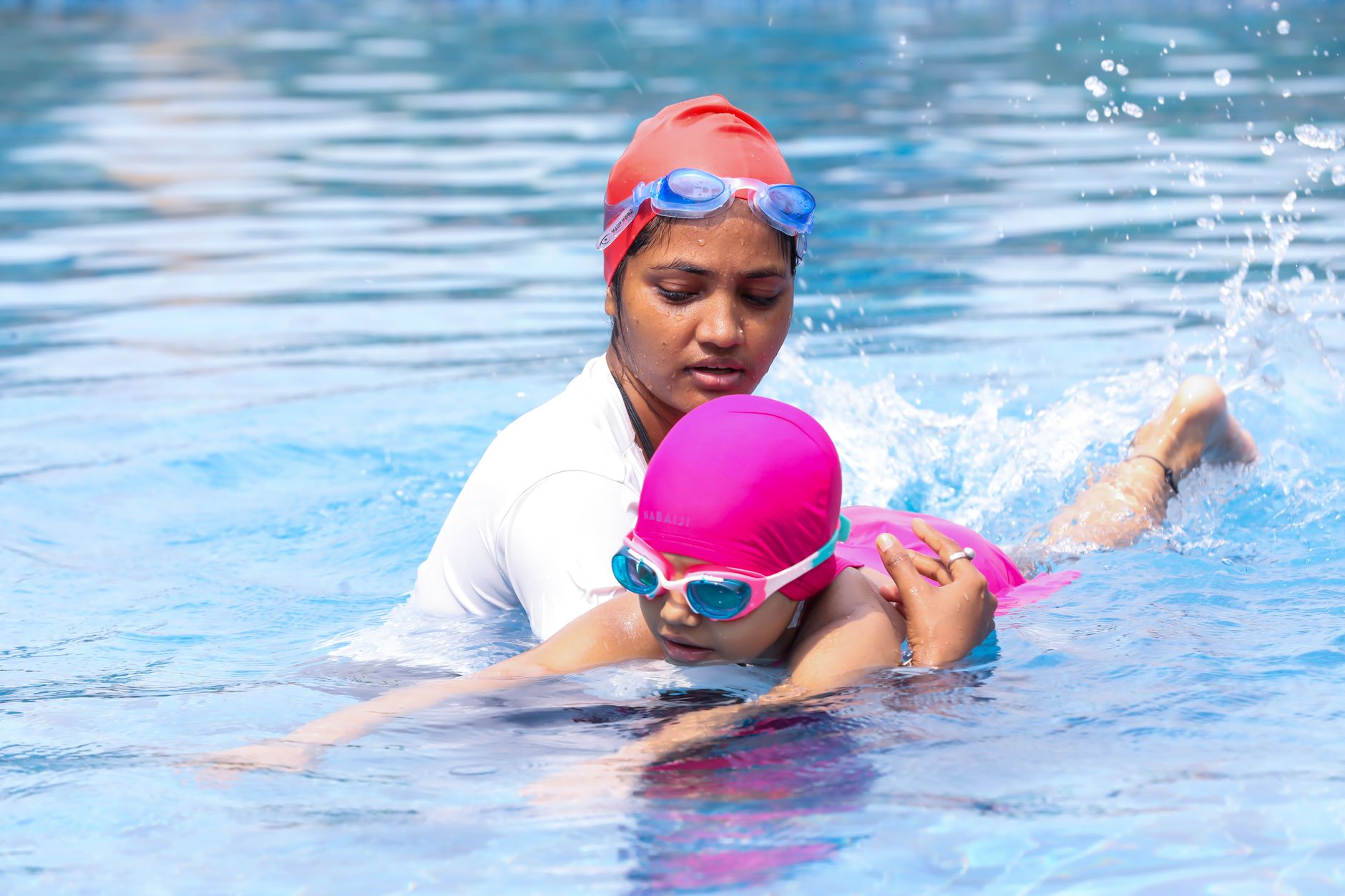
With the school term now well underway and the darker evenings drawing in, plenty of families across Dumfries & Galloway are looking for activities that keep children active, engaged, and learning something genuinely useful. Swimming lessons tick all of those boxes — but one question comes up again and again: how often should my child actually be in the water?
The short answer is that frequency matters more than most parents realise. The longer answer depends on your child’s age, current ability, and what you’re hoping to achieve.
Why Regular Weekly Lessons Build Skill More Effectively
Swimming is a motor skill, and motor skills are built through repetition over time. When a child attends a lesson once a week, their brain and body have time to process and consolidate what they’ve learnt — a process called motor memory consolidation. Come back the following week, and that learning is more likely to stick.
Weekly lessons also give children a sense of routine and progress. They begin to feel ownership of their development, remembering what they worked on last time and building on it. That sense of continuity is hugely valuable, especially for younger children or those who lack confidence in the water.
For most children, one well-structured lesson per week throughout the school term is the most effective foundation. It’s consistent without being overwhelming, and it fits realistically into a busy family schedule.
Where Intensive Lessons Fit In
Intensive lessons — sometimes called crash courses or holiday programmes — involve multiple sessions in a short space of time, often daily for a week. They have real value, but they work best in specific situations.
They’re particularly good for giving a child an initial boost. A child who has never been in a pool before can benefit enormously from a run of daily sessions to get comfortable in the water before starting weekly lessons. Equally, a child who has reached a plateau in their progress sometimes needs an intensive period to break through to the next level.
The drawback is retention. Without follow-up practice, skills learnt intensively can fade. A child who completes five daily lessons but then doesn’t swim again for several weeks is likely to lose much of what they gained. Intensive lessons work best when they’re the start of something, not a standalone fix.
What Actually Makes the Difference
Frequency is only part of the picture. The quality and consistency of teaching matters just as much. Small groups or one-to-one lessons allow an instructor to spot and correct technique issues early — habits that, left unchecked, become harder to unpick later on.
Practice outside of lessons also helps, even if it’s informal. A child who swims with family at a local pool between lessons — whether that’s at DG1 in Dumfries, Castle Douglas Swimming Pool, or another facility nearby — will almost always progress faster than one who only ever swims in their weekly lesson.
Confidence plays a role too. Children who feel safe and supported with their instructor develop a relationship with the water that goes beyond technique. That emotional foundation is what ultimately produces a capable, independent swimmer.
Our Recommendation
For most children, weekly lessons are the sweet spot. They build skill progressively, maintain momentum, and fit into term-time life. Rebecca teaches year-round at Auchenlarie Holiday Park near Gatehouse of Fleet and Castle Cary Holiday Park in Creetown — both of which have pools on site — so there’s no need to wait for a new term or a particular season to begin.
If your child is brand new to swimming, or returning after a long gap, a short intensive block followed by weekly lessons is worth considering. The two approaches aren’t mutually exclusive — used together, they can accelerate progress significantly.
Autumn is actually one of the best times to start. The outdoor season is behind us, the school routine is established, and a regular weekly lesson slips naturally into the week. If you’d like to find out more about lesson availability or what level would suit your child, get in touch — Rebecca is happy to help you find the right fit.