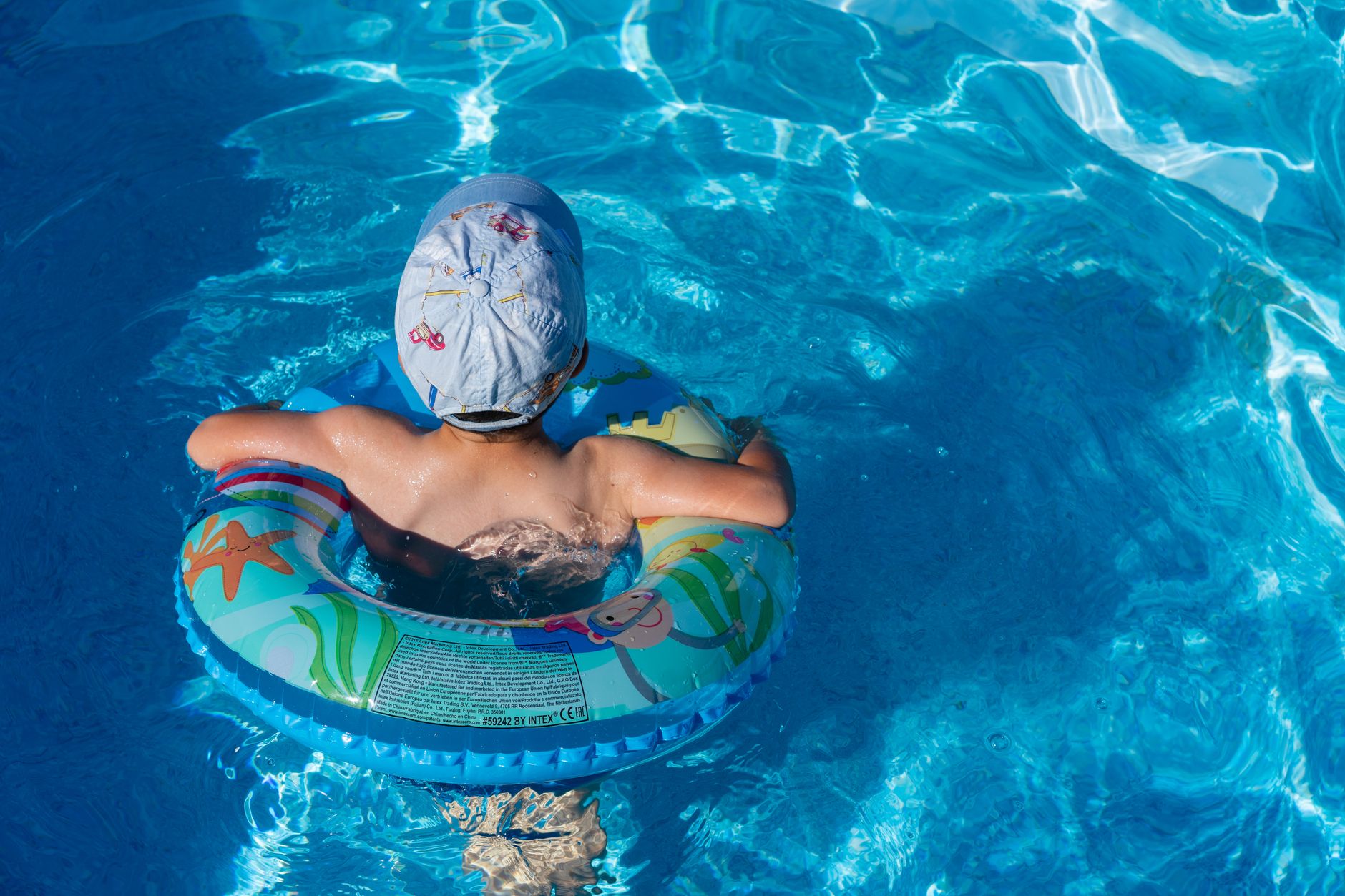
Autumn term has a way of exposing little wobbles. School routines return, evenings draw in, and a child who was happily swimming a few weeks ago may suddenly cling to the poolside or announce that they do not want to go in. Adults can feel it too, especially after illness, a break from lessons, or simply a busy spell when swimming slipped down the list.
The reassuring news is that a confidence dip does not mean the ability has disappeared. Water confidence often returns in layers, and the kindest approach is usually to make the first few visits feel easy rather than impressive.
Why confidence can dip after time away
Swimming asks quite a lot of us at once: unusual sensations on the face and ears, a different way of breathing, and the feeling of being supported by water rather than solid ground. After a break, those sensations can seem unfamiliar again, even when someone previously managed them well.
Illness can add another layer. A child or adult may feel tired, less coordinated, or wary of getting cold and tired again. Sometimes the worry is not really about swimming at all; it is about whether their body will cope. A recent change of teacher, pool, class or school routine can also make an old skill feel strangely new.
Try not to compare the first session back with the best session before the break. A more useful question is: what feels comfortable today?
Make the first swim deliberately small
For a first visit back, choose a quiet, familiar pool where possible and leave plenty of time. Rushing to find goggles, negotiate a changing room and get into the water can use up a child’s confidence before the lesson has begun.
Set a modest aim, such as walking in, wetting the shoulders, blowing a few bubbles or floating with support. If that is all that happens, it still counts. Ending while things are going reasonably well is often more helpful than pushing for one last attempt when everyone is tired.
- Pack the night before, including a warm jumper and an easy snack for afterwards.
- Arrive early enough to look at the pool and remember where the steps, toilets and changing rooms are.
- Use familiar kit where you can; a brand-new mask or different goggles can be one change too many.
- Keep your own voice and face relaxed, even if you had expected more from the session.
For adults returning after illness, follow any medical advice you have been given and build up gradually. Start with comfortable walking or gentle swimming, keep the session short, and avoid treating breathlessness or exhaustion as something to battle through.
Rebuild the foundations, not just the distance
It is tempting to measure progress in metres, but confidence usually grows from smaller skills. Standing up calmly from a float, putting the face in without panic, rolling onto the back, and holding the side safely all matter more than completing a length on a particular day.
Children may need to repeat activities they had previously mastered. That is not wasted time. Repetition gives them proof that they can still control their breathing, their body and their exit from the water.
Offer specific encouragement: “You took your time getting in,” or “You remembered how to stand up safely,” works better than a broad “Don’t be silly, you could do this before.” The second response accidentally turns a temporary wobble into an argument about who is right.
If your child swims with Rebecca at Auchenlarie Holiday Park in Gatehouse of Fleet or Castle Cary Holiday Park in Creetown, mention the dip before the lesson rather than waiting for tears at the edge. A quick note about illness, time away or a new worry helps the session start at the right level.
Know when to pause and when to get help
A mild wobble often settles over two or three calm visits. More support is worth considering if a child becomes distressed before every lesson, stops doing skills they were previously happy with, or has had a frightening experience in water. Adults who feel dizzy, unwell or unusually breathless should stop and seek appropriate medical advice rather than simply treating it as nerves.
Autumn is a good time for steady, indoor routines, not a race to recover lost ground. With short sessions, familiar surroundings and permission to take a step back, most swimmers can find their feet again. The aim for the first few weeks is simple: leave the pool feeling safe enough to come back next time.