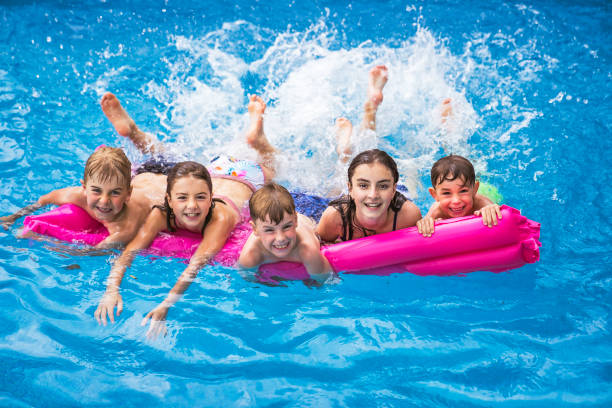
Holiday park pools are a highlight for most kids. There’s a lifeguard on the chair, the sun is out, and it feels like someone else has it covered. But parental supervision still plays a critical role — even when trained staff are present.
Lifeguards Can’t Watch Every Child at Once
A single lifeguard may be responsible for scanning an entire pool, managing entries and exits, and responding to any number of incidents simultaneously. Their attention is spread across dozens of swimmers at any given moment.
Your child, however, only needs your attention. Staying close to the water and keeping your eyes on your kids fills the gap that no staffing level can fully eliminate.
What Active Supervision Actually Looks Like
Active supervision means being within arm’s reach of non-swimmers and younger children — not watching from a sun lounger across the pool deck. Put the phone down, skip the book, and position yourself so you can physically reach your child within seconds.
For stronger swimmers, stay close enough to track them continuously. Crowded holiday pools make it surprisingly easy to lose sight of a child who was there just a moment ago.
Set Clear Rules Before Anyone Gets In the Water
Before your kids jump in, take two minutes to walk through the rules together. Point out the pool boundaries, explain which areas are too deep, and make it clear that they need to stay where you can see them at all times.
Kids are far more likely to follow rules they’ve heard and acknowledged — especially when they know you’re watching, not just nearby.
Supervision Is a Team Effort, Not a Handoff
Think of the lifeguard as a backup, not a replacement. When parents and lifeguards are both engaged, the safety net becomes genuinely strong. When parents assume the lifeguard has it handled, dangerous gaps appear.
If you need a break — to grab a drink, use the bathroom, or tend to another child — hand supervision over clearly to another trusted adult before you step away. Gaps in coverage, even brief ones, are when incidents happen.