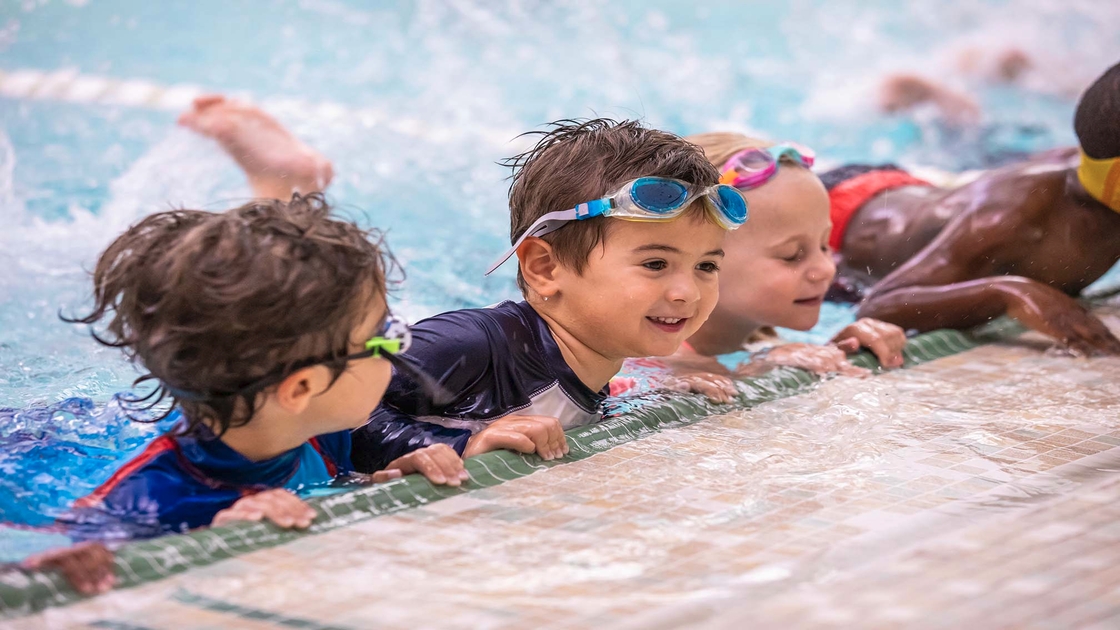
It can happen in seconds. One moment your child is splashing happily, the next they’re clinging to the side, crying, or refusing to put their face in the water. Panic in the pool is completely normal, but how you respond in that moment makes a real difference to what happens next.
Why Children Panic — and Why It’s Not a Setback
Water is an unfamiliar environment, and children’s confidence can shift quickly, especially between lessons or after a difficult experience like a mouthful of water. The nervous system genuinely registers water as a potential threat, so a fearful reaction isn’t stubbornness or drama — it’s the brain doing its job.
The good news is that most children move through these patches with the right support. Seeing a moment of panic as information rather than failure helps you stay measured, which is exactly what your child needs from you.
Staying Calm: What That Actually Looks Like
Your child is watching your face closely. A tense jaw, wide eyes, or a rushed voice all signal that there is something to worry about. Taking a slow breath before you speak or act is genuinely useful — not a cliché.
Get down to their level if you can, keep your voice steady and low, and make physical contact if they want it. A hand on the shoulder or a calm hold in the water can settle the nervous system faster than any words.
Avoid taking over the situation too quickly. Swooping in and pulling a child out at the first sign of distress can confirm to them that the water was dangerous. Where it’s safe to do so, stay close and let them find their feet — literally.
What Not to Say
A few well-meaning phrases tend to backfire. “Don’t be scared” tells a child their feelings are wrong, which usually makes things worse. “You were fine last week” can feel dismissive of whatever has shifted for them. “Everyone else is managing” adds embarrassment on top of fear.
Instead, try: “I can see this feels really hard right now.” Or simply: “I’m right here.” Naming the feeling without magnifying it tends to bring the emotional temperature down.
Avoid pressing for explanations in the moment — asking “but why are you scared?” rarely helps when a child is mid-panic. There’ll be time to talk it through afterwards, once they’ve calmed down.
Knowing When to Pause
Pushing through isn’t always the right call. If a child is shaking, unable to be distracted, or their distress is escalating rather than settling, it’s perfectly reasonable to step back from the water for that session. Forcing the issue can deepen an association between the pool and feeling out of control.
A short break — whether that means sitting on the side for five minutes or coming back to a particular skill in the following lesson — is not giving up. It’s reading the situation sensibly.
Do let your child’s swim teacher know what happened. A good teacher will adjust the session, revisit earlier stages if needed, and help rebuild confidence gradually. Progress in swimming isn’t always a straight line, and that’s completely fine.