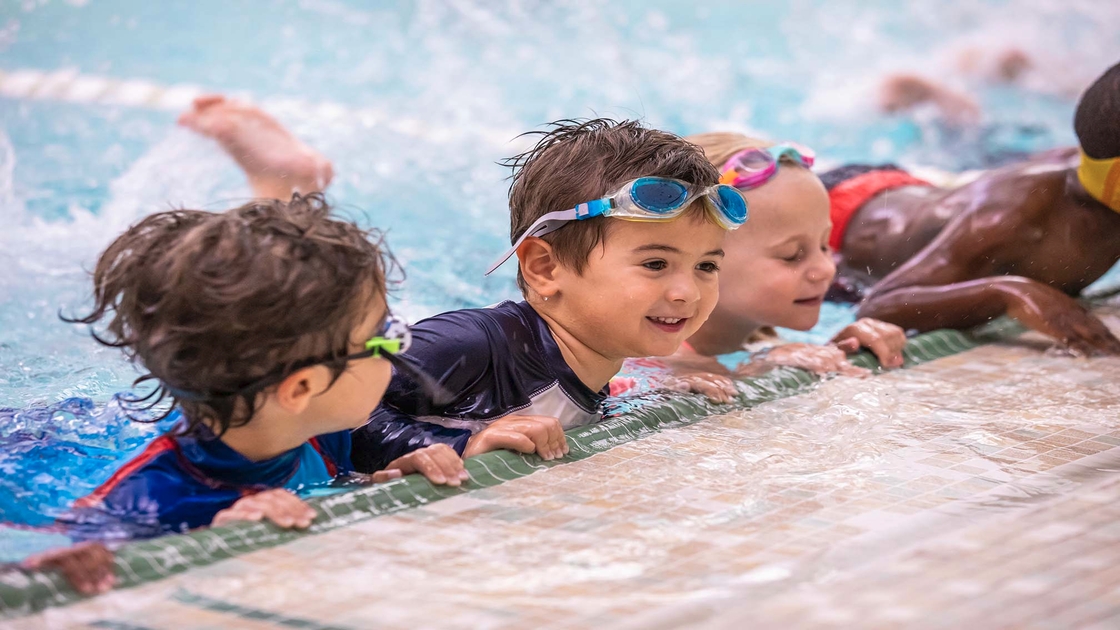
The summer holidays are here, and for many families in Dumfries & Galloway that means trips to the pool, days at the beach, and visits to holiday parks. But if your toddler won’t put their face in the water, poolside fun can quickly become a source of stress — for them and for you.
The good news? This is one of the most common concerns parents bring to swimming teachers, and it’s entirely solvable with the right approach.
Why Toddlers Fear Putting Their Face in Water
First, a reassurance: yes, it is completely normal for a toddler to be scared of water on their face. The sensation is unfamiliar, slightly startling, and impossible to predict — all things that small children find unsettling.
Most toddlers between the ages of one and four go through a phase of resisting face submersion. It doesn’t mean they’ll never be comfortable in water. It simply means they haven’t built up enough positive experience with it yet. Patience, not pressure, is what moves things forward.
Bath-Time Exercises to Build Water Confidence at Home
The bath is the perfect place to start. It’s warm, familiar, and completely within your child’s control — which matters enormously at this age.
- Wet flannel games: Let your toddler hold a wet flannel and squeeze it over their own hands, then arms, then head. Giving them control of the water removes the element of surprise.
- Shower the toys: Use a small cup to pour water over rubber ducks or bath toys. Make it silly and playful. Once they’re laughing, gently pour a trickle over their own head — forehead first, not straight over the face.
- Chin dips: Encourage them to touch their chin to the water. Then lips. There’s no rush to go further than that.
- Blowing bubbles: Hold your own face close to the water and blow bubbles together. Copy each other. It feels safe because their eyes stay above the waterline and they’re in charge of the breath.
These steps work best when they’re woven into normal bath time rather than treated as a formal exercise. Keep it light.
Gentle Progression: From Splashing to Submersion
Once your toddler is comfortable with the steps above, you can build gradually over days or weeks — there’s no set timeline. Some children progress in a fortnight; others take a few months. Both are fine.
The rough progression tends to look like this: comfortable with water on the forehead → happy to have eyes wet → willing to blow bubbles with lips submerged → face in briefly → full submersion with eyes open.
Celebrating each tiny step genuinely — not with over-the-top fanfare, just warm acknowledgement — helps enormously. Your child is looking to you to decide whether water on the face is frightening or ordinary. If you’re calm and cheerful about it, they’ll follow your lead.
It’s also worth knowing that water confidence and being a confident swimmer are related but different things. A child can be splashy and fearless in a paddling pool but still need structured help to learn technique, breathing control, and how to be safe in deeper water. Building face confidence at home is a brilliant foundation — but it’s the start of the journey, not the whole of it.
What NOT to Do
A few things that tend to set progress back rather than speed it up:
- Forcing or surprising them: Splashing water at a child’s face without warning, or pushing their head under even briefly, can undo weeks of gentle progress. It breaks trust.
- Making it a big deal: If bath time starts to feel like a test, toddlers pick up on that anxiety. Keep it casual.
- Comparing to other children: Every child has their own pace. Another child in the pool happily going underwater doesn’t mean yours is behind.
- Waiting until they’re older: There’s no magic age at which this suddenly becomes easy. Starting gentle, playful practice early — even if progress is slow — is nearly always better than waiting.
When to Seek Professional Swimming Lessons
Home practice can take a toddler a long way, but there’s a point where a skilled teacher makes a real difference. A good swimming teacher knows how to make progression feel like play, and they’ve seen every variation of water reluctance imaginable.
Rebecca teaches children of all abilities at the pool at Auchenlarie Holiday Park in Gatehouse of Fleet and at Castle Cary Holiday Park in Creetown — both right here in Dumfries & Galloway. Lessons run year-round, so whether your family is visiting for the summer or based locally, there’s no need to wait for the new school year to get started.
If your toddler is spending time near pools this summer and you’d like some structured support, get in touch to find out about availability. A few sessions with the right teacher at the right moment can shift everything.