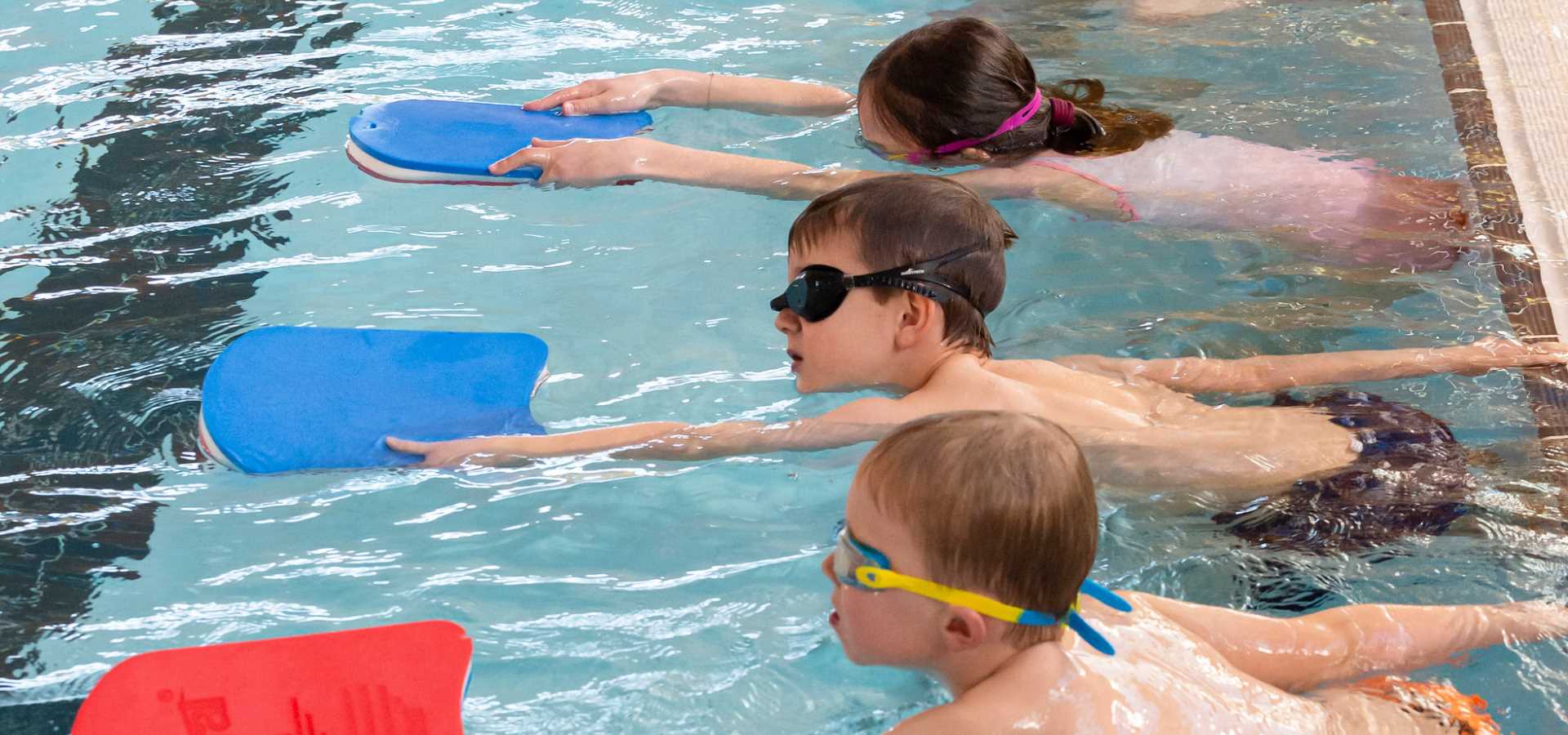
It’s the end of week six, and your child still seems nervous putting their face in the water. You’re starting to wonder whether lessons are working. Sound familiar? You’re not alone — and the good news is that what you’re seeing is almost certainly normal.
Understanding what swim school progress first term actually looks like can make all the difference between anxious observation and confident encouragement.
What Realistic Progress Looks Like in the First 12 Weeks
The first term of swimming lessons is almost entirely about foundations. Children are learning to trust the water, respond to a new adult, follow instructions in an unfamiliar environment, and manage feelings that can range from excitement to genuine fear, which is why it is paramount that they learn at their own pace; we encourage but never force.
None of that shows up as a timed length or a polished stroke — but all of it is real, measurable progress. By week 12, a child who happily blows bubbles, kicks on a float, or floats briefly with support has come a very long way from their first lesson, even if it doesn’t look dramatic from the poolside.
Why Your Child Won’t Be Swimming Independently Yet — and That’s Fine
Parents often arrive expecting their child to be moving independently through the water within a term. In a small number of cases that does happen, but it’s the exception rather than the rule — and pinning hopes to that outcome can create unnecessary worry for both you and your child.
Swimming independently requires a combination of breath control, body position, coordination, and water confidence that takes time to build. Rushing a child to that point before the foundations are solid tends to create bad habits that are harder to correct later. Slow and steady genuinely does win this race.
A child who isn’t reading music after one term of lessons hasn’t failed — the same logic applies here. Competence in the water is built layer by layer, and the first term is about laying those layers carefully.
The Milestones to Actually Watch For
Rather than asking “can my child swim yet?”, try watching for these smaller but genuinely significant steps:
- Entering the water without distress — getting in willingly is a real achievement for many children in their first few weeks.
- Submerging the face or blowing bubbles — breath control is one of the most important early skills, and it’s harder than it looks.
- Floating with decreasing support — notice whether your child needs less help from the teacher over time, even if they still need some.
- Listening and responding to instructions — following a teacher’s cues in the water is a separate skill from swimming itself, and one that develops gradually.
- Showing enjoyment or reduced anxiety — a child who is starting to enjoy lessons is a child who is learning, full stop.
These are the real markers of progress in the first term. If you’re seeing movement in even a couple of these areas, things are going well.
Common Parent Expectations vs. What Teachers See
Teachers often notice progress that parents miss entirely, because parents are naturally focused on outcomes rather than process. A child who seemed frozen at the pool edge in week one but now slides in and reaches for the float is showing enormous development — but it doesn’t look like swimming, so it can feel invisible.
It’s also worth remembering that children vary enormously. Some take to the water immediately; others need most of the first term just to feel safe. Both are completely within the range of normal. If you’re genuinely concerned your child seems to have learned very little, the best step is a quiet word with their teacher — not to push for faster progress, but to understand what’s happening and how you can help.
How to Support Progress at Home Without Pushing Too Hard
You don’t need to do much — and that’s genuinely the advice. Keep conversations about swimming positive and low-pressure. Ask your child what they did in their lesson rather than whether they managed to swim. Celebrate the small things out loud.
If you have the chance to visit a pool outside of lessons — even just for a splash and play — that relaxed water time builds familiarity in a way that structured practice can’t replicate. The aim in the first term isn’t performance. It’s laying the groundwork for everything that comes after.